
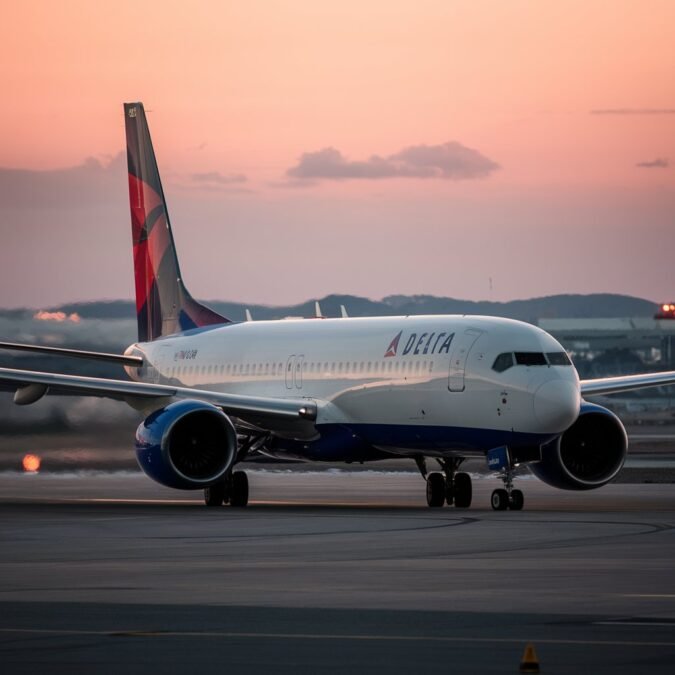

Air travel is often associated with precision, punctuality, and careful planning, yet unexpected situations can arise even in the most well-managed systems. One such incident that captured attention was Delta Flight DL275 diverted to LAX, an event that sparked curiosity among travelers and aviation enthusiasts alike. Operated by Delta Air Lines, Flight DL275 experienced an unforeseen diversion to Los Angeles International Airport (LAX), raising questions about why diversions occur and how airlines manage them. This article explores the details, reasons, passenger impact, and broader implications of such diversions in modern aviation.
What Happened: Delta Flight DL275 Diverted to LAX
The phrase Delta Flight DL275 diverted to LAX refers to a situation where the aircraft, originally scheduled to follow a different route or destination, was rerouted to Los Angeles. Flight diversions are not uncommon in aviation, but each case carries its own context and operational significance. In this instance, the diversion was likely prompted by factors such as weather conditions, technical considerations, medical emergencies, or air traffic control directives. Airlines like Delta follow strict protocols to ensure passenger safety remains the top priority, even if it results in delays or unexpected landings at alternate airports.
Common Reasons Behind Flight Diversions
Understanding why Delta Flight DL275 diverted to LAX requires a closer look at the most common causes of diversions in the airline industry. Weather disruptions are among the leading reasons, especially when conditions at the destination airport become unsafe for landing. Mechanical issues, even minor ones, can also lead to precautionary diversions to ensure the aircraft is inspected promptly. Medical emergencies involving passengers or crew may require immediate landing at the nearest suitable airport. Additionally, operational factors such as runway congestion, security concerns, or airspace restrictions can also influence such decisions. These measures reflect the aviation industry’s strong emphasis on safety over schedule adherence.
Passenger Experience During the DL275 Diversion
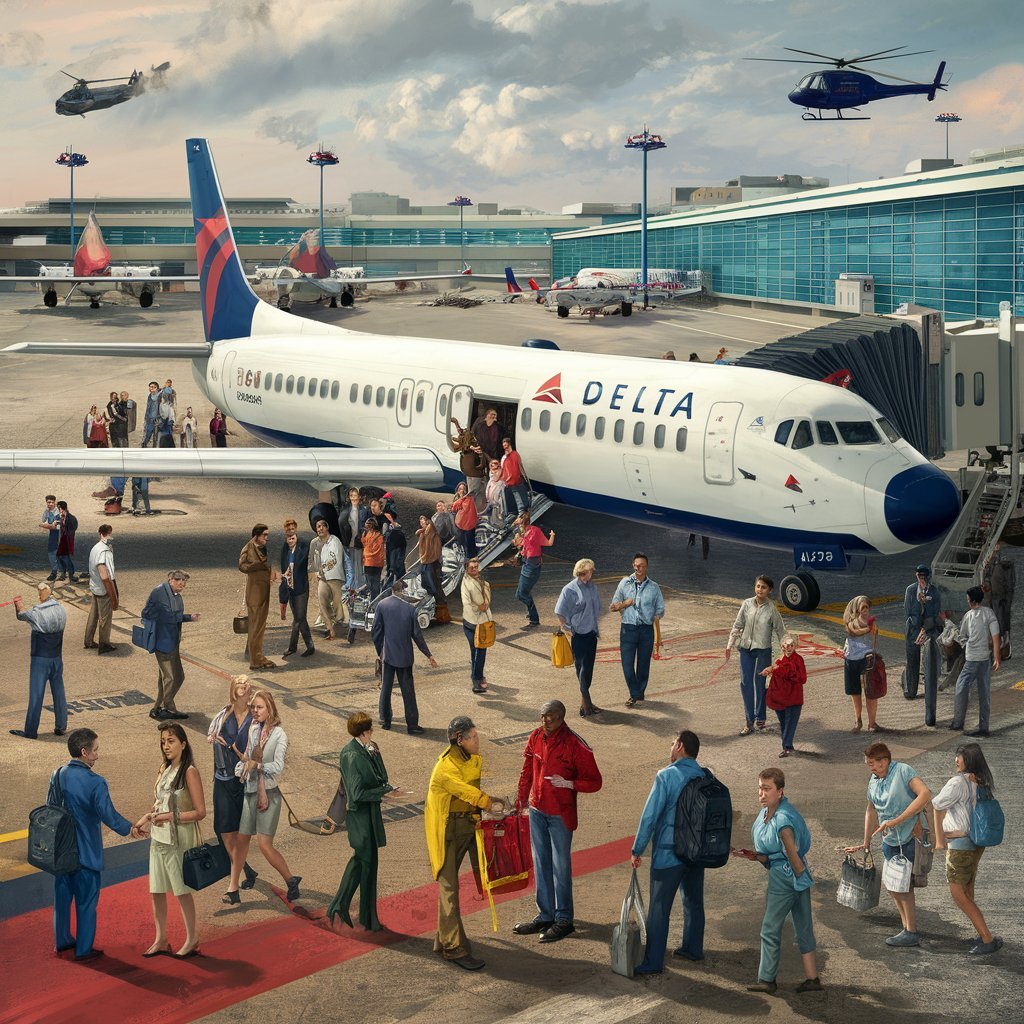
For passengers onboard Delta Flight DL275 diverted to LAX, the experience can be both stressful and uncertain. Travelers may initially feel confusion when the pilot announces a change in route, especially if limited information is available at that moment. However, airlines typically communicate updates as soon as details are confirmed. Upon landing at LAX, passengers are often assisted with rebooking, accommodations if necessary, and customer support services. While delays and disruptions are inconvenient, most passengers ultimately recognize that such decisions are made in their best interest. The professionalism of the cabin crew and ground staff plays a crucial role in maintaining calm and ensuring a smoother transition during these situations.
Safety Protocols and Airline Responsibility
The incident of Delta Flight DL275 diverted to LAX highlights the robust safety framework that governs global aviation. Airlines operate under strict regulations set by aviation authorities, requiring them to prioritize safety above all else. Pilots are trained extensively to handle emergencies and make quick decisions based on real-time data. Diversions are not seen as failures but rather as proactive steps to prevent potential risks. Delta Air Lines, like other major carriers, follows rigorous maintenance schedules and operational checks to minimize such occurrences while ensuring readiness to respond effectively when they do happen.
Impact on Flight Schedules and Operations
When a flight like DL275 is diverted, it creates a ripple effect across the airline’s network. Aircraft rotations, crew schedules, and connecting flights can all be affected. For Delta, managing these disruptions involves complex coordination between operations teams, airport staff, and customer service representatives. The diversion to LAX may have required adjustments for subsequent flights and passengers waiting for connections. Despite these challenges, modern airline systems are designed to adapt quickly, minimizing the long-term impact on overall operations.
Lessons Learned from Delta Flight DL275 Diversion
The case of Delta Flight DL275 diverted to LAX serves as a reminder of the unpredictability inherent in air travel. It underscores the importance of flexibility for passengers and preparedness for airlines. Travelers are encouraged to stay informed, remain patient, and rely on official airline communications during disruptions. On the airline side, continuous improvements in technology, communication, and training help ensure that diversions are handled efficiently and safely.
Conclusion
The story of Delta Flight DL275 diverted to LAX is not just about an unexpected change in travel plans—it is a reflection of the aviation industry’s commitment to safety and responsibility. While diversions can be inconvenient, they are often necessary decisions made to protect passengers and crew. By understanding the reasons behind such events and how airlines respond, travelers can gain a greater appreciation for the complexities of modern air travel. Ultimately, safety remains the guiding principle, ensuring that even unforeseen situations are managed with professionalism and care.
Frequently Asked Questions (FAQs)
1. Why was Delta Flight DL275 diverted to LAX?
Flight diversions typically occur due to safety concerns such as weather conditions, technical issues, or medical emergencies. While the exact reason may vary, the decision is always made to ensure passenger safety.
2. What happens to passengers after a flight diversion?
Passengers are usually assisted with rebooking, accommodations if needed, and updated travel arrangements. Airline staff provide support throughout the process.
3. Are flight diversions common in aviation?
Yes, diversions are relatively common and are considered a normal part of airline operations when unexpected situations arise.
4. Is a diverted flight dangerous?
No, a diversion is a precautionary measure taken to avoid potential risks. It reflects the airline’s commitment to safety rather than danger.
5. How do airlines handle operational disruptions after a diversion?
Airlines coordinate between multiple departments to manage schedules, crew assignments, and passenger connections, ensuring minimal disruption to overall operations.