
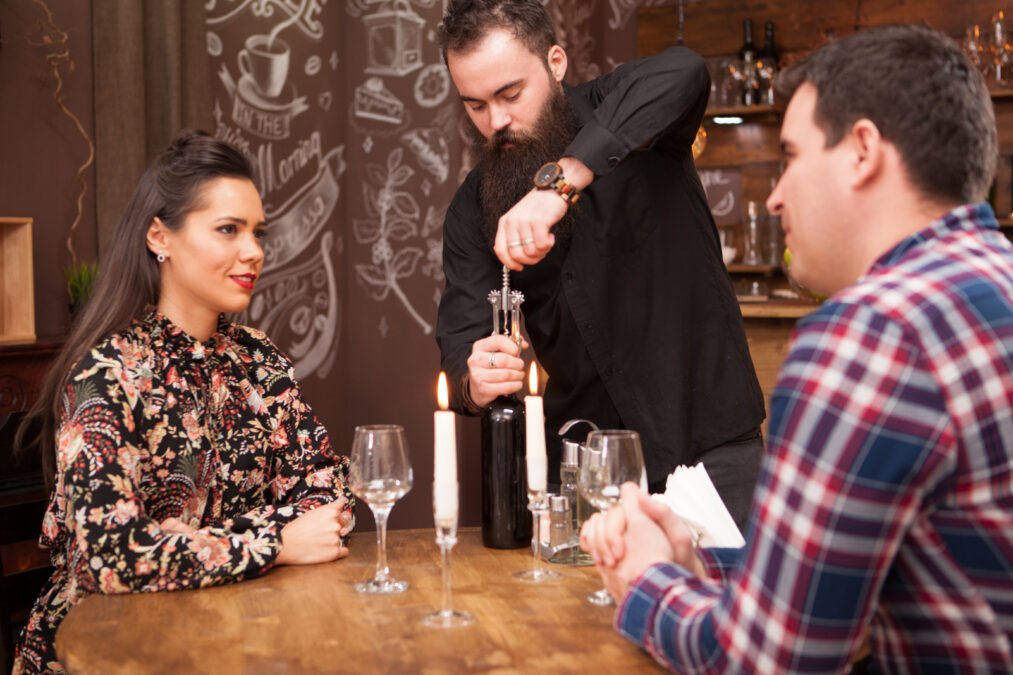

Champagne is one of the world’s most celebrated sparkling wines, symbolizing luxury, celebration, and sophistication. Whether it is used to toast a wedding, mark a business achievement, celebrate a holiday, or ring in the New Year, Champagne has become synonymous with special occasions and memorable moments. Its distinctive bubbles, refined flavors, and rich history have made it a favorite among wine enthusiasts and casual drinkers alike.
Unlike many sparkling wines produced around the world, true Champagne comes exclusively from the Champagne region of France and follows strict production standards. The combination of unique soil conditions, climate, grape varieties, and traditional winemaking techniques creates a beverage that is both elegant and complex. Understanding Champagne involves exploring its fascinating history, production process, various styles, serving methods, and cultural significance. This guide provides an in-depth look at everything you need to know about Champagne.
What Is Champagne?
Champagne is a sparkling wine produced exclusively in the Champagne region of northeastern France. While many sparkling wines are made worldwide, only those produced within this designated region and following specific regulations can legally bear the name “Champagne.” This protected designation ensures authenticity and maintains the high standards associated with the product.
Champagne is typically crafted using three primary grape varieties: Chardonnay, Pinot Noir, and Pinot Meunier. These grapes contribute different characteristics to the wine, creating a balanced blend of acidity, fruitiness, and structure. The wine undergoes a unique secondary fermentation process inside the bottle, producing the natural carbonation responsible for its signature bubbles.
The History of Champagne
The history of Champagne dates back centuries and reflects a remarkable evolution in winemaking. The Champagne region has been producing wine since Roman times, but the sparkling version known today emerged much later. During the Middle Ages, wines from the region were primarily still wines rather than sparkling varieties.
Over time, winemakers noticed that cold winters interrupted fermentation, which resumed in the spring and created carbon dioxide inside bottles. Initially considered a flaw, this natural carbonation eventually became desirable. Advances in bottle manufacturing and cork technology helped winemakers control the process more effectively.
By the 17th and 18th centuries, Champagne gained popularity among European royalty and aristocrats. Its association with luxury and celebration grew steadily, establishing the prestigious reputation it enjoys today.
How Champagne Is Made
The production of Champagne involves a meticulous process known as the Traditional Method or Méthode Champenoise. This technique requires precision, patience, and expertise.
First, grapes are harvested and gently pressed to extract juice. The juice undergoes primary fermentation, converting sugars into alcohol. Winemakers then blend different wines to achieve the desired flavor profile.
A mixture of yeast and sugar, known as the liqueur de tirage, is added before bottling. The bottles are sealed, and a second fermentation occurs inside them, creating carbon dioxide and forming the wine’s characteristic bubbles.
The bottles are aged on yeast sediment, known as lees, which contributes complexity and texture. After aging, the bottles undergo riddling, a process that gradually moves sediment toward the neck. The sediment is removed through disgorgement, and a final dosage determines the sweetness level before the bottle is sealed and prepared for sale.
Champagne Region and Terroir
The Champagne region’s unique terroir plays a critical role in shaping the wine’s character. Terroir refers to the combination of soil, climate, topography, and environmental conditions that influence grape cultivation.
Champagne’s chalky soils provide excellent drainage while retaining moisture for grapevines. The region’s cool climate allows grapes to develop high acidity, which is essential for producing balanced sparkling wines. These natural factors contribute to the freshness, elegance, and longevity that distinguish Champagne from other sparkling wines.
The region is divided into several key areas, including Montagne de Reims, Vallée de la Marne, Côte des Blancs, and Côte des Bar. Each area contributes unique characteristics to the grapes grown there.
Types of Champagne
Champagne is available in several styles, each offering a distinct tasting experience.
Non-Vintage Champagne
Non-vintage Champagne is created by blending wines from multiple harvest years. This approach allows producers to maintain a consistent house style and flavor profile. It is the most common type of Champagne available on the market.
Vintage Champagne
Vintage Champagne is produced using grapes harvested in a single exceptional year. These wines often exhibit greater complexity and aging potential, reflecting the specific characteristics of that vintage.
Blanc de Blancs Champagne
Blanc de Blancs is made exclusively from Chardonnay grapes. It is typically elegant, crisp, and citrus-driven, with excellent aging capabilities.
Blanc de Noirs Champagne
Blanc de Noirs is produced from dark-skinned grapes such as Pinot Noir and Pinot Meunier. Despite the dark grapes, the wine remains white and often displays richer fruit flavors and greater body.
Rosé Champagne
Rosé Champagne is known for its beautiful pink color and vibrant fruit character. It can be produced by blending red wine into Champagne or through brief skin contact during production.
Sweetness Levels in Champagne
Champagne sweetness is determined by the dosage added after disgorgement. Various sweetness levels cater to different preferences.
Brut Nature
Contains little to no added sugar and offers a very dry taste.
Extra Brut
Extremely dry with minimal sweetness.
Brut
The most popular style worldwide, offering a balanced combination of dryness and fruit.
Extra Dry
Despite its name, it contains slightly more sweetness than Brut.
Sec
Noticeably sweeter and often paired with desserts.
Demi-Sec
A sweet style suitable for rich desserts and special occasions.
Doux
The sweetest Champagne category, though relatively uncommon today.
Champagne Tasting Notes and Flavor Profile
Champagne offers a diverse range of aromas and flavors. Common tasting notes include green apple, citrus fruits, pear, peach, brioche, almond, hazelnut, honey, and toasted bread. The aging process can introduce additional complexity, creating layers of richness and depth.
The fine bubbles contribute to Champagne’s distinctive mouthfeel, enhancing freshness and providing a lively sensory experience. Different grape blends, production methods, and aging periods influence the final flavor profile.
How to Serve Champagne Properly
Serving Champagne correctly enhances its aroma, flavor, and overall enjoyment. The ideal serving temperature is generally between 45°F and 50°F (7°C to 10°C). Overchilling can suppress aromas, while serving it too warm may reduce its refreshing qualities.
Many experts recommend tulip-shaped glasses instead of traditional flutes because they better concentrate aromas while preserving the bubbles. When opening a bottle, the cork should be eased out gently to prevent excessive foam loss and maintain elegance.
Food Pairings with Champagne
Champagne is one of the most versatile wines for food pairing. Its acidity and effervescence complement a wide variety of dishes.
Seafood such as oysters, shrimp, lobster, and sushi pairs exceptionally well with Champagne. It also complements poultry, creamy pasta dishes, soft cheeses, and gourmet appetizers. Surprisingly, Champagne can pair beautifully with fried foods because its acidity helps cleanse the palate.
Rosé Champagne works well with salmon, duck, and berry-based desserts, while sweeter styles can accompany pastries and fruit desserts.
Health and Cultural Significance of Champagne
Champagne has become a global symbol of celebration, success, and luxury. It is frequently featured at weddings, sporting events, award ceremonies, and major milestones. The tradition of popping Champagne bottles is recognized worldwide as a sign of achievement and joy.
When consumed responsibly, Champagne contains antioxidants derived from grapes and may offer some of the same potential benefits associated with moderate wine consumption. However, moderation remains essential for maintaining overall health and well-being.
Champagne vs Sparkling Wine
Many people use the terms Champagne and sparkling wine interchangeably, but they are not identical. All Champagne is sparkling wine, but not all sparkling wine is Champagne.
Sparkling wines produced outside the Champagne region include Prosecco, Cava, Crémant, and numerous sparkling wines from countries such as the United States, Australia, and South Africa. While these wines may be excellent in their own right, they differ in production methods, grape varieties, and regional characteristics.
Conclusion
Champagne remains one of the most prestigious and beloved beverages in the world. Its unique combination of history, craftsmanship, terroir, and tradition has earned it a permanent place in global culture. From its origins in the vineyards of France to its role in modern celebrations, Champagne continues to captivate wine lovers with its elegance and complexity. Whether enjoyed as a luxurious indulgence, paired with fine cuisine, or shared during life’s most important moments, Champagne represents excellence, joy, and timeless sophistication.
Frequently Asked Questions (FAQs)
What makes Champagne different from other sparkling wines?
Champagne must be produced in the Champagne region of France and follow strict production regulations. Other sparkling wines are produced elsewhere using different methods and grape varieties.
What grapes are used to make Champagne?
The primary grapes are Chardonnay, Pinot Noir, and Pinot Meunier.
Is Champagne always expensive?
Not necessarily. While premium bottles can be costly, many quality non-vintage Champagnes are available at moderate price points.
How long can Champagne be stored?
Non-vintage Champagne is generally best consumed within a few years of purchase, while vintage Champagne can often age successfully for a decade or more.
What is the best temperature for serving Champagne?
Champagne is best served between 45°F and 50°F (7°C to 10°C).
Why does Champagne have bubbles?
The bubbles are created during a secondary fermentation inside the bottle, which produces carbon dioxide.
Can Champagne be paired with food?
Yes. Champagne pairs exceptionally well with seafood, poultry, cheeses, appetizers, and even fried foods.
What does Brut mean on a Champagne label?
Brut indicates a dry style of Champagne with relatively low residual sugar.
Is Rosé Champagne made differently?
Yes. Rosé Champagne can be made by blending red wine into Champagne or through controlled skin contact during production.
Does Champagne expire?
Champagne does not necessarily expire, but its quality can decline over time if stored improperly. Proper storage helps preserve its flavor and freshness.