
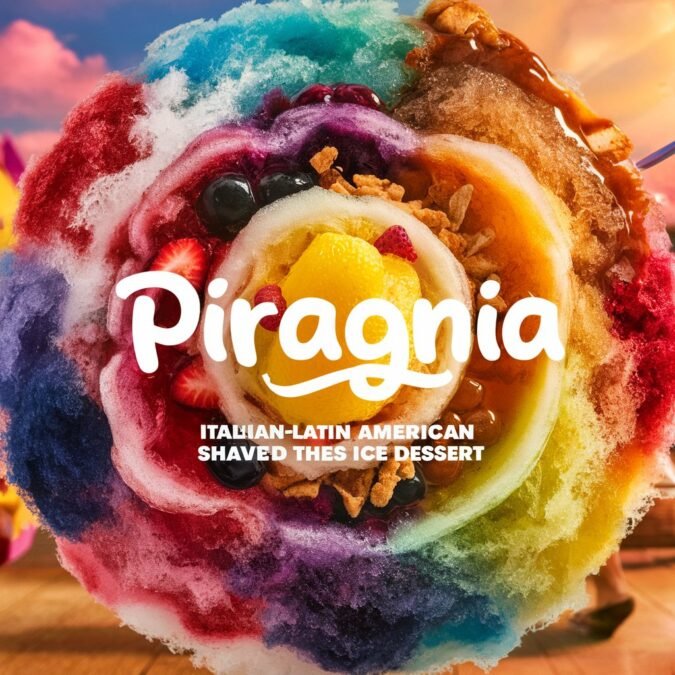

When the summer sun blazes and the air feels heavy with heat, few things bring as much joy as a cold, refreshing dessert. Among the world’s most beloved frozen treats, piragnia has emerged as a delightful fusion of Italian ice and Latin American shaved ice desserts, combining the best of both culinary traditions. This icy delicacy captures the essence of Italian granita—a coarse, crystalline frozen dessert made from fruit, sugar, and water—while embracing the vibrant flavors and textures of Latin American street food.
Piragnia is more than just a dessert; it is a cultural experience that celebrates craftsmanship, flavor, and tradition. Its roots trace back to the ancient art of flavored ice desserts in Italy, where snow from Mount Etna was once mixed with fruit syrups to create early versions of granita. Over time, this tradition traveled across the Atlantic, blending with the colorful and inventive world of Latin American frozen treats. Today, piragnia stands as a symbol of global culinary creativity—a refreshing, artisanal dessert that unites continents through taste and texture.
The Origins of Piragnia: A Fusion of Italian and Latin American Traditions
The story of piragnia begins with the evolution of Italian granita, a traditional Sicilian dessert that dates back centuries. Granita was originally made by combining snow or ice with fruit juices, coffee, or almond milk, creating a semi-frozen texture that was both coarse and smooth. This dessert became a hallmark of Italian culinary traditions, particularly in Sicily, where it was often enjoyed with brioche for breakfast during the hot summer months.
As Italian immigrants brought their culinary heritage to Latin America, their frozen dessert techniques merged with local flavors and ingredients. In countries like Venezuela, Colombia, and Mexico, street vendors began serving shaved ice desserts infused with tropical syrups, condensed milk, and fresh fruit. These vibrant creations became staples of Latin American street food, offering affordable and refreshing relief from the heat.
Piragnia emerged as a modern reinterpretation of these two worlds—a dessert that honors the texture and refinement of Italian ice while embracing the bold, colorful spirit of Latin American frozen treats. It represents a culinary dialogue between continents, where tradition meets innovation and simplicity meets artistry.
The Art of Making Piragnia: Craftsmanship in Every Shave
Creating the perfect piragnia is an art form that requires precision, patience, and passion. The process begins with finely shaved ice, which serves as the foundation of the dessert. Unlike crushed ice, shaved ice has a delicate, snow-like texture that absorbs flavors evenly, creating a smooth and refreshing mouthfeel.
The next step is the infusion of flavor. Traditional Italian granita relies on natural fruit syrups made from fresh ingredients such as lemon, strawberry, coffee, or almond. In contrast, Latin American shaved ice desserts often feature tropical flavors like mango, tamarind, guava, and passion fruit, sometimes enhanced with condensed milk or caramelized sugar. Piragnia brings these two approaches together, using artisanal syrups crafted from both Mediterranean and tropical fruits to achieve a balance of sweetness, acidity, and aroma.
Presentation is equally important in the world of piragnia. The dessert is often served in glass cups or paper cones, layered with vibrant colors and garnished with fresh fruit, mint leaves, or even edible flowers. Some modern variations incorporate gourmet elements such as herbal infusions, citrus zest, or natural sweeteners, elevating piragnia from a simple street treat to a sophisticated artisan frozen dessert.
Flavor Profiles and Regional Variations of Piragnia
One of the most captivating aspects of piragnia is its versatility. Each region and artisan brings a unique twist to the dessert, reflecting local ingredients and cultural influences. In Italy, piragnia often leans toward the traditional granita style, featuring flavors like lemon, almond, and espresso. These versions emphasize purity and simplicity, allowing the natural essence of the ingredients to shine.
In Latin America, however, piragnia takes on a more playful and indulgent character. Vendors might drizzle condensed milk over the ice, add layers of fruit pulp, or sprinkle shredded coconut for texture. In Mexico, for example, piragnia might resemble a raspado, while in Venezuela it could take inspiration from cepillado or granizado—each with its own distinctive flavor combinations and toppings.
Modern chefs and dessert artisans have also embraced piragnia as a canvas for creativity. Some experiment with exotic ingredients like hibiscus, basil, or chili-infused syrups, while others incorporate alcohol, transforming piragnia into a refreshing frozen cocktail. This adaptability has made piragnia a favorite among food enthusiasts seeking new and exciting summer desserts that combine tradition with innovation.
Piragnia and the Italian Culinary Philosophy
At its heart, piragnia embodies the essence of Italian culinary traditions—simplicity, quality, and respect for ingredients. Italian cuisine has always celebrated the beauty of minimalism, where a few carefully chosen components come together to create something extraordinary. Piragnia follows this philosophy by focusing on the purity of ice, the freshness of fruit, and the balance of flavor.
The influence of granita is unmistakable in piragnia’s texture and preparation. Like granita, piragnia relies on slow freezing and gentle mixing to achieve its signature crystalline consistency. However, its Latin American influences introduce a sense of vibrancy and spontaneity, turning the dessert into a joyful expression of cultural fusion.
In many ways, piragnia represents the evolution of Italian ice—a dessert that has traveled across time and geography, adapting to new environments while preserving its soul. It is a testament to how culinary traditions can evolve without losing their authenticity, blending old-world craftsmanship with modern creativity.
Piragnia as a Symbol of Summer and Celebration
Few desserts capture the spirit of summer quite like piragnia. Its refreshing texture, bright colors, and fruity flavors make it the perfect companion for warm-weather gatherings, beach outings, and festive occasions. In Italy, enjoying a frozen dessert like granita is a cherished ritual that marks the arrival of summer. In Latin America, shaved ice treats are a staple of street festivals and family celebrations.
Piragnia brings these traditions together, offering a universal symbol of joy and togetherness. It is a dessert that transcends borders, appealing to people of all ages and backgrounds. Whether served from a street cart in a bustling Latin American plaza or presented in an elegant Italian café, piragnia evokes the same sense of delight—a moment of cool, sweet relief that connects people through shared experience.
As global interest in artisan frozen desserts continues to grow, piragnia is poised to become a defining treat of the modern culinary landscape. Its blend of authenticity, artistry, and accessibility makes it a timeless favorite for anyone seeking a taste of summer in every spoonful.
Conclusion
Piragnia is more than just a shaved ice dessert—it is a celebration of cultural harmony, craftsmanship, and flavor. By merging the refined elegance of Italian granita with the vibrant creativity of Latin American frozen treats, piragnia captures the best of both worlds. It embodies the artistry of Italian culinary traditions while embracing the spontaneity and color of Latin American street food.
As a summer dessert, piragnia offers a refreshing escape from the heat, a moment of indulgence that delights the senses and nourishes the soul. Its growing popularity among chefs, artisans, and food lovers around the world reflects a broader appreciation for authenticity, simplicity, and innovation in modern cuisine. Whether enjoyed as a nostalgic nod to tradition or a bold new flavor experience, piragnia stands as a shining example of how food can unite cultures and create joy in every bite.
Frequently Asked Questions (FAQ)
1. What is piragnia?
Piragnia is a shaved ice dessert that blends the traditions of Italian granita and Latin American frozen treats, featuring finely shaved ice flavored with fruit syrups, herbs, or condensed milk.
2. How is piragnia different from Italian ice or granita?
While Italian ice and granita focus on smooth or crystalline textures with simple fruit flavors, piragnia incorporates Latin American influences such as tropical syrups, condensed milk, and layered toppings, creating a more vibrant and diverse dessert.
3. What ingredients are used in piragnia?
Typical ingredients include shaved ice, fruit syrups, fresh fruit, condensed milk, and natural flavorings like citrus, coffee, or herbs. Artisanal versions may use organic fruits and handcrafted syrups.
4. Is piragnia a traditional Italian dessert?
Piragnia draws inspiration from traditional Italian desserts like granita but also integrates elements of Latin American street food, making it a modern fusion rather than a purely traditional dish.
5. Can piragnia be made at home?
Yes, piragnia can easily be made at home using a shaved ice machine or blender. Simply prepare flavored syrups, shave the ice finely, and layer the ingredients to taste.
6. What are the most popular piragnia flavors?
Popular flavors include lemon, strawberry, mango, tamarind, coffee, and almond. Some modern versions feature exotic combinations like hibiscus-lime or basil-citrus.
7. Is piragnia considered a healthy dessert?
Piragnia can be a lighter alternative to ice cream, especially when made with natural fruit syrups and minimal sugar. It’s a refreshing, low-fat option for hot summer days.
8. Where can piragnia be found?
Piragnia is gaining popularity in Italian gelaterias, Latin American dessert shops, and artisan cafés worldwide. It’s also a favorite at summer festivals and street markets.