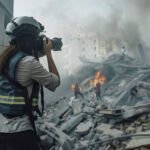

The phrase “Philly plane crash” immediately captures public attention because aviation accidents are rare, dramatic, and often heartbreaking. Whenever a plane crash occurs near or inside a major city like Philadelphia, people naturally search for information about what happened, who was affected, what caused the accident, and how authorities respond to such emergencies. News about aviation incidents spreads quickly across television, social media, and online platforms, creating widespread concern among travelers, aviation professionals, and local residents alike.
A plane crash in Philadelphia can involve different types of aircraft, including commercial airlines, private jets, cargo planes, helicopters, or small recreational aircraft. Each incident carries its own circumstances, technical details, and investigation process. While aviation remains one of the safest forms of transportation in the world, crashes still occur due to mechanical failures, weather conditions, pilot error, air traffic complications, or unexpected emergencies. Understanding these incidents requires more than reading headlines; it involves examining aviation safety systems, emergency response procedures, and the role of federal investigators.
This article explores the topic of the Philly plane crash in detail, including possible causes, emergency response efforts, aviation investigations, public reaction, and the long-term impact such incidents have on air travel and local communities. Whether readers are interested in aviation safety, current events, or historical incidents connected to Philadelphia aviation, this comprehensive guide provides an in-depth explanation of the subject.
Understanding the Philly Plane Crash
The term “Philly plane crash” generally refers to an aviation accident that occurred in or near Philadelphia. Because Philadelphia is a major metropolitan area with busy airports, including Philadelphia International Airport, air traffic in the region is consistently active. Commercial flights, private aviation, medical helicopters, and cargo operations all move through Philadelphia’s airspace every day, making aviation management highly important.
When a plane crash happens in such a densely populated region, the incident often receives national media coverage. Authorities quickly secure the crash site, emergency responders arrive to assist survivors, and investigators begin gathering evidence to determine what caused the accident. Public attention usually focuses on the number of passengers, the condition of survivors, possible technical failures, and whether weather or pilot decisions contributed to the tragedy.
Many aviation incidents initially generate confusion because information develops rapidly. Early reports may include conflicting details regarding the aircraft type, flight path, or casualty numbers. Over time, official agencies release verified findings to provide clarity and prevent misinformation. This is why aviation investigations are methodical and can take months or even years before a final report is issued.
History of Aviation Incidents in Philadelphia
Philadelphia has experienced several aviation incidents throughout its history, ranging from small aircraft accidents to larger emergencies involving commercial flights. As one of the oldest and busiest cities in the United States, Philadelphia has long served as an important transportation hub. Increased air traffic naturally increases the statistical possibility of aviation incidents, although most flights operate safely without problems.
Historically, aviation accidents near Philadelphia have highlighted the importance of airport safety standards, pilot training, and technological improvements in aircraft systems. Some incidents were linked to poor visibility during storms, while others involved engine malfunctions or operational errors. Each event contributed to changes in aviation regulations designed to reduce future risks.
Over the decades, the aviation industry has dramatically improved safety procedures. Modern aircraft contain advanced navigation systems, automated warning technology, improved communication equipment, and stronger maintenance standards. These developments have significantly reduced the number of fatal aviation accidents compared to earlier generations of air travel. However, when a crash does occur, it remains highly visible because such events are uncommon and emotionally impactful.
Possible Causes of a Philly Plane Crash
Mechanical Failure
Mechanical problems remain one of the most discussed factors whenever a plane crash occurs. Aircraft rely on thousands of interconnected components working together precisely. Engine problems, hydraulic system failures, electrical malfunctions, or structural damage can create dangerous situations during takeoff, flight, or landing. Modern aircraft undergo routine inspections and maintenance checks, but unexpected technical issues can still emerge.
In some cases, investigators discover that faulty components, improper maintenance, or manufacturing defects contributed to the crash. Aviation authorities carefully examine engine parts, flight control systems, and maintenance records to determine whether a technical failure played a role in the accident.
Weather Conditions
Weather is another major factor that can contribute to aviation accidents. Philadelphia experiences rain, fog, snow, thunderstorms, and strong winds throughout the year. Severe weather conditions can reduce visibility, create turbulence, and make landings more difficult for pilots.
Pilots receive extensive weather briefings before flights, and airports continuously monitor atmospheric conditions. Despite these precautions, sudden weather changes can still create dangerous circumstances. Heavy storms, icing conditions, or microbursts may significantly affect aircraft performance and pilot decision-making during critical moments of flight.
Pilot Error
Human error remains a potential factor in many aviation incidents worldwide. Pilots must make rapid decisions under pressure while monitoring aircraft systems, weather conditions, fuel levels, and communication with air traffic control. Fatigue, stress, confusion, or miscommunication can sometimes contribute to operational mistakes.
It is important to understand that aviation accidents rarely result from a single mistake. Investigators often identify multiple contributing factors that combine to create a dangerous chain of events. Pilot training programs are designed specifically to minimize these risks through simulation exercises and emergency preparedness.
Air Traffic Control Issues
Air traffic controllers play a critical role in managing aircraft movement safely. Miscommunication, radar problems, or incorrect instructions could potentially create dangerous situations, especially near crowded airports. Investigators carefully review communication recordings between pilots and air traffic controllers after a crash to determine whether any misunderstandings occurred.
Emergency Response After the Philly Plane Crash
One of the most important aspects of any aviation accident is the speed and effectiveness of the emergency response. In Philadelphia, local police departments, firefighters, emergency medical teams, airport authorities, and federal agencies coordinate rapidly after a crash occurs.
Emergency responders focus first on rescuing survivors and controlling hazards such as fires, fuel leaks, or structural damage. Airports conduct regular emergency drills specifically designed to prepare for aviation accidents. Fire crews use specialized foam systems to extinguish aircraft fires, while paramedics provide immediate medical assistance to injured passengers and crew members.
Local hospitals may activate emergency protocols to prepare for multiple casualties. Traffic around the crash site is often restricted while authorities secure the area and begin investigating the incident. Media helicopters and reporters usually gather nearby, increasing public attention and pressure on officials to provide accurate updates.
The professionalism of emergency responders can significantly influence survival rates during aviation disasters. Rapid medical intervention and coordinated rescue operations often save lives in situations where every minute matters.
Investigation Process Following a Plane Crash
After a Philly plane crash, federal investigators immediately begin examining the incident. In the United States, the National Transportation Safety Board and the Federal Aviation Administration are typically involved in aviation investigations.
Investigators collect physical evidence from the crash site, including aircraft debris, engine components, maintenance logs, and electronic flight data. Black boxes, officially known as flight data recorders and cockpit voice recorders, are especially important because they provide critical information about aircraft performance and pilot communication before the crash.
The investigation process usually includes:
- Examining wreckage patterns
- Reviewing maintenance records
- Analyzing weather reports
- Interviewing witnesses
- Studying pilot training history
- Reviewing air traffic communications
- Testing aircraft systems
Investigators work carefully to determine the probable cause of the accident. Final reports may take months or years because aviation investigations are highly detailed and evidence-driven. These findings often lead to new safety recommendations that improve aviation standards worldwide.
Public Reaction and Media Coverage
Whenever a plane crash occurs in Philadelphia, public reaction is immediate and emotional. Families seek information about passengers, local residents express concern, and social media platforms become flooded with photos, videos, and speculation. News organizations provide continuous coverage, often interviewing aviation experts to explain possible causes and safety implications.
Media attention can significantly shape public perception of aviation safety. Although plane crashes are statistically rare, extensive coverage may cause people to feel that flying is more dangerous than it actually is. In reality, commercial aviation remains among the safest transportation systems globally.
Public memorials, candlelight vigils, and community support efforts often emerge after fatal crashes. Residents, volunteers, and local organizations may come together to support affected families and emergency personnel. These responses demonstrate how aviation tragedies can deeply impact entire communities, not just the passengers directly involved.
How Plane Crashes Influence Aviation Safety
Every aviation accident leads to lessons that help improve future safety standards. Historically, many modern aviation technologies and regulations were developed in response to past crashes. Investigations frequently reveal weaknesses in training procedures, aircraft design, communication systems, or operational protocols.
For example, previous aviation accidents have led to:
- Improved cockpit warning systems
- Enhanced pilot training programs
- Better weather detection technology
- Stronger aircraft materials
- Updated emergency response procedures
- More rigorous maintenance inspections
The aviation industry continuously studies accidents to reduce future risks. While no transportation system can eliminate danger entirely, the commitment to learning from past incidents has made modern air travel remarkably safe compared to earlier decades.
Psychological Impact of Aviation Accidents
Plane crashes often create lasting psychological effects for survivors, families, witnesses, and even the general public. Survivors may experience trauma, anxiety, or fear of flying after the incident. Families coping with loss may face emotional and financial challenges for years afterward.
Even individuals who simply watch media coverage can develop increased anxiety about air travel. This emotional response is understandable because aviation accidents are dramatic and highly visible events. Mental health professionals often assist survivors and families following major disasters, helping them process grief and trauma.
Airlines and airports may also provide counseling services and support programs after significant aviation incidents. These efforts are designed to help affected individuals recover emotionally while rebuilding confidence in air travel.
The Future of Aviation Safety in Philadelphia
Philadelphia’s aviation infrastructure continues evolving with new technologies and stronger safety systems. Airports invest heavily in runway improvements, radar technology, emergency preparedness, and communication systems. Airlines also continue adopting advanced aircraft equipped with modern safety features and automated monitoring tools.
Artificial intelligence, predictive maintenance technology, and improved flight tracking systems may further reduce aviation risks in the future. Aviation experts believe that continued investment in technology, training, and oversight will make flying even safer in the coming decades.
Despite occasional tragedies, the aviation industry remains committed to continuous improvement. Every investigation, safety recommendation, and technological advancement contributes to protecting passengers and crews around the world.
Conclusion
The topic of the Philly plane crash highlights the emotional, technical, and investigative aspects of aviation accidents. Whether involving a commercial aircraft, private plane, or helicopter, such incidents immediately capture public attention because they combine human tragedy with complex questions about safety and responsibility. Philadelphia’s busy airspace and major transportation role make aviation safety especially important for residents, travelers, and authorities alike.
Although plane crashes are rare, they remind society of the importance of maintenance standards, pilot training, weather monitoring, and emergency preparedness. Investigations conducted by federal agencies help uncover the causes behind aviation accidents while also improving future safety regulations. At the same time, communities affected by these tragedies often demonstrate remarkable resilience, compassion, and unity during recovery efforts.
Ultimately, modern aviation continues to be one of the safest methods of travel. Continuous advancements in technology, regulation, and emergency response ensure that the lessons learned from every accident contribute to a safer future for passengers worldwide.
Frequently Asked Questions (FAQs)
What does “Philly plane crash” refer to?
The phrase generally refers to an aviation accident that occurred in or near Philadelphia, Pennsylvania. It may involve commercial airlines, private aircraft, cargo planes, or helicopters.
Who investigates plane crashes in Philadelphia?
Plane crashes in the United States are usually investigated by the National Transportation Safety Board and the Federal Aviation Administration.
What are the most common causes of plane crashes?
Common causes include mechanical failure, severe weather, pilot error, air traffic control issues, and maintenance problems. Most crashes involve multiple contributing factors rather than a single cause.
How safe is air travel today?
Modern air travel is considered extremely safe. Advances in aircraft technology, pilot training, maintenance standards, and aviation regulations have significantly reduced accident rates.
Why do aviation investigations take so long?
Investigations are highly detailed and require careful analysis of flight data, wreckage, maintenance records, weather conditions, and communication logs. Final reports may take months or years to complete.
How do airports prepare for plane crashes?
Airports conduct regular emergency drills and maintain specialized rescue teams, firefighting equipment, medical response systems, and coordination plans for aviation emergencies.
Can weather alone cause a plane crash?
Severe weather can contribute to aviation accidents, especially when combined with other factors such as pilot decisions or technical problems. However, modern aircraft are designed to handle challenging weather conditions safely.
What happens after investigators determine the cause?
Authorities release a final report with findings and safety recommendations. These recommendations often lead to updated regulations, training improvements, or technological advancements in aviation safety.